Orthodontic treatment for children and adolescents, in particular treatment with braces, may be reimbursed by the German statutory health insurance (gesetzliche Krankenkasse) even if the treatment is carried out in Poland. This solution is increasingly chosen by families insured in Germany, as it combines high-quality orthodontic treatment in Poland with real financial savings.
However, for reimbursement to be possible, strictly defined medical and formal requirements must be met, resulting from German social insurance law as well as from the practice of health insurance funds.
👉 Our company specializes in the comprehensive handling of reimbursement for orthodontic treatment of children from the German health insurance system in Poland – from the initial verification of eligibility, through documentation, to the successful reimbursement of treatment costs.
👨👩👧 Who is entitled to reimbursement for orthodontic treatment?
The right to reimbursement for orthodontic treatment applies to:
✅ Children and adolescents up to the age of 18,
✅ Adults exclusively in special, narrowly defined medical exceptional cases, in particular when:
-
very severe jaw and craniofacial abnormalities are present,
-
the malocclusion causes significant impairment of chewing function, speech, or breathing,
-
orthodontic treatment is part of surgical therapy (orthodontics + maxillofacial surgery + oncology),
-
the treatment plan has been approved by the German health insurance fund prior to the start of therapy.
In practice, these are cases classified into the highest KIG groups (KIG 4–5), requiring interdisciplinary treatment and having a clearly medical – not aesthetic – character.
✅ Persons covered by statutory health insurance in Germany,
✅ regardless of the child’s place of residence and the location where the treatment is carried out.
Reimbursement is applied by all German statutory health insurance funds, including:
AOK (Allgemeine Ortskrankenkasse),
Techniker Krankenkasse (TK),
Barmer,
DAK-Gesundheit,
KKH – Kaufmännische Krankenkasse,
IKK classic.
📌 Reimbursement regulations are uniform throughout Germany and are based on nationwide legal provisions.
📊 KIG classification – the key requirement for reimbursement
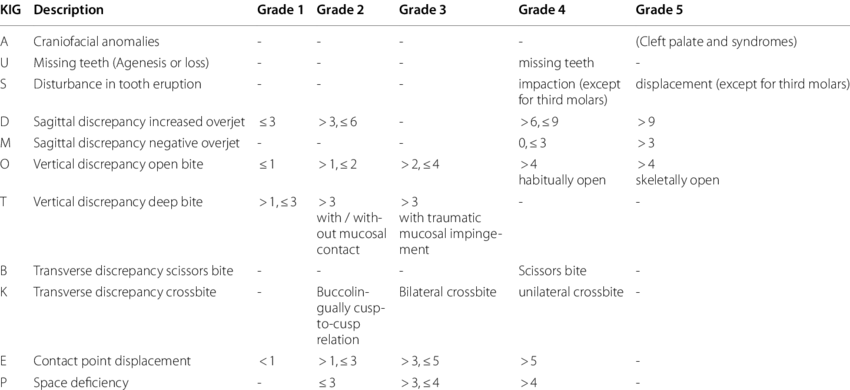
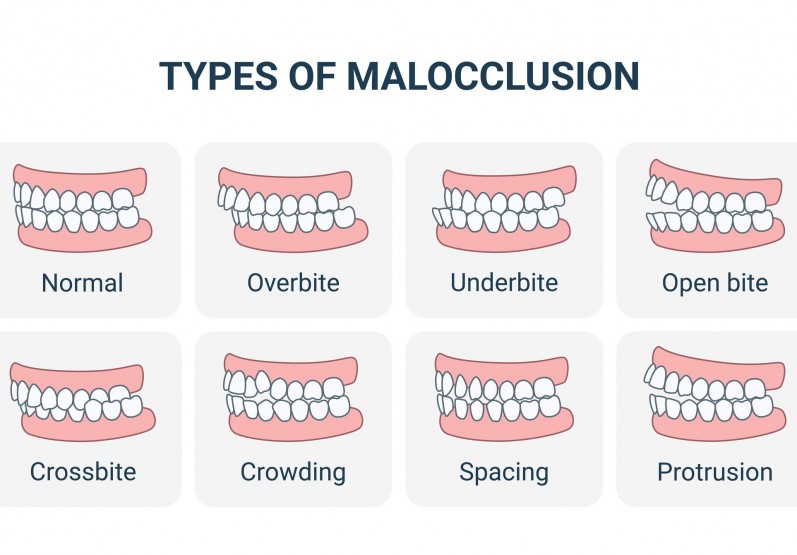
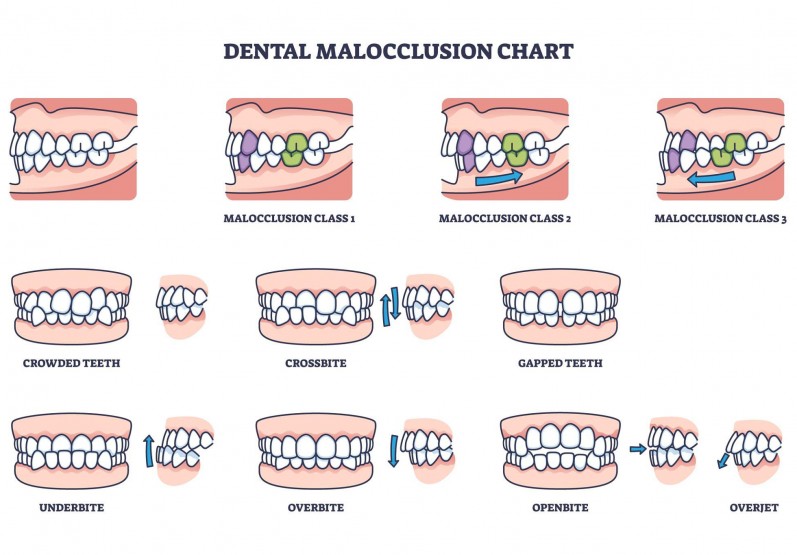
The decisive criterion for granting reimbursement is the classification of the dental or jaw malocclusion according to the KIG system (Kieferorthopädische Indikationsgruppen).
The German health insurance fund reimburses orthodontic treatment only for malocclusions classified into the following groups:
🔹 KIG 3 – malocclusions of moderate severity,
🔹 KIG 4 – severe malocclusions,
🔹 KIG 5 – very severe malocclusions.
These are malocclusions that:
-
impair chewing function,
-
may cause speech or breathing disorders,
-
lead to long-term health problems within the oral cavity.
❌ Mild malocclusions (KIG 1 and KIG 2), considered aesthetic, are not eligible for reimbursement.
German law does not prohibit orthodontic treatment outside Germany, including in Poland. However, the following conditions must be met:
✔ compliance with German standards of medical documentation,
✔ prior approval by the health insurance fund,
✔ proper settlement of treatment costs in accordance with German regulations.
In practice, this means that treatment carried out in Poland – often significantly cheaper than in Germany – may be reimbursed, provided that the procedure is conducted correctly.
📄 Orthodontic treatment plan (KFO treatment plan) – the decisive document for reimbursement
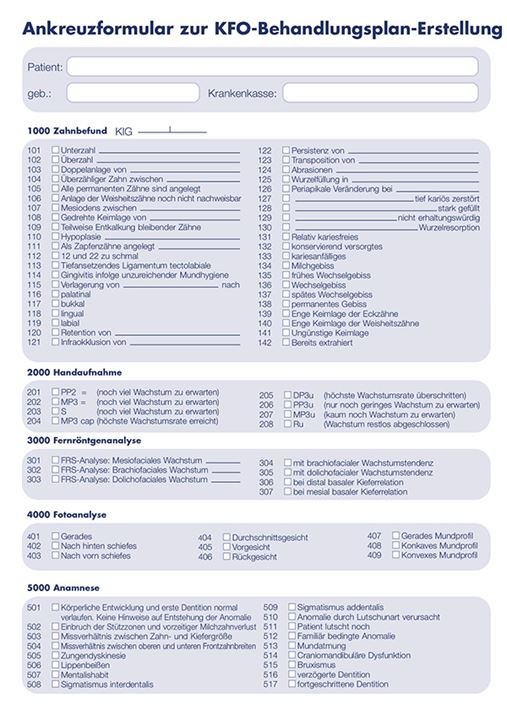
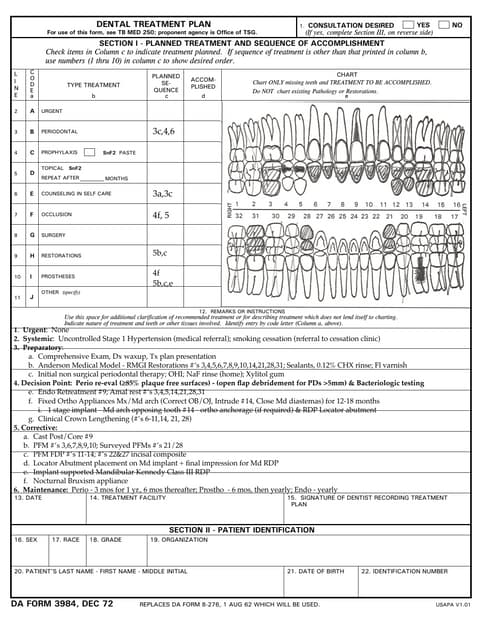
The basis for reimbursement is the German orthodontic treatment plan (KFO-Behandlungsplan / Heil- und Kostenplan).
This document must:
-
contain a precise diagnosis and KIG classification,
-
describe the planned treatment method (e.g. fixed or removable braces),
-
specify the expected duration of therapy,
-
meet the formal requirements of the German health insurance fund.
⚠️ Starting treatment without prior approval of the treatment plan by the health insurance fund results in reimbursement being denied in most cases.
💶 What costs are covered by the German health insurance fund?
The standard reimbursement mechanism is as follows:
💳 the health insurance fund covers 80% of the treatment costs on an ongoing basis,
👨👩👧 parents temporarily cover a 20% co-payment,
🔄 after proper completion of treatment, the health insurance fund reimburses 100% of the paid co-payment.
If more than one child is treated at the same time, the co-payment for the second and each subsequent child is only 10%.
➡️ In practice, this means the possibility of recovering several thousand euros, so that the entire cost of the child’s orthodontic treatment is covered by the German health insurance system.
Reimbursement of orthodontic treatment for children insured in Germany is a process that requires experience, legal knowledge, and practical familiarity with individual health insurance funds. Even minor formal errors may result in reimbursement being denied.
💼 Our company:
-
verifies eligibility for reimbursement before treatment begins,
-
prepares and reviews complete documentation in German,
-
coordinates contact with the German health insurance fund,
-
accompanies the patient throughout the entire treatment and reimbursement process,
-
maximizes real financial savings.
✅ Thanks to comprehensive support, you save time and money and avoid the risk of reimbursement refusal.
📞 Contact us
If you would like to check whether your child meets the requirements for reimbursement of orthodontic treatment by the German health insurance fund, or if you need assistance with preparing documents and settling treatment costs, we invite you to contact us.
Our contact details:
📞 +48 607 871 284
✉️ kontakt@medicaladvisor.pl
